
Educators often face unique financial situations that require flexible and reliable solutions. From managing a home repair to consolidating high-interest debt, having access to specific financial tools can be helpful.
A well-managed NEA Personal Loan® can provide a structured way to navigate major expenses while you work toward long-term security.
As a teacher or school staff member, your focus is on your students and your community. Managing personal finances should be a manageable part of your routine. By choosing NEA personal finance options designed for the education community, you can make financial decisions that align with your overall monetary goals.
NEA Member Benefits serves as an educator-focused resource, offering guidance to help you evaluate borrowing options responsibly.
What is a personal loan and why do educators use them?
A personal loan is a type of installment debt that provides a lump sum of money upfront, which is then paid back in fixed monthly installments over a set period. Unlike a credit card, which has a revolving balance and fluctuating interest rates, a personal loan often offers more predictability. You can see when the loan will be paid off and what your payment will be each month.
Educators use these loans for a variety of purposes. Many members use them for home repairs or improvements, such as fixing a roof or updating a kitchen.
Life also brings unexpected hurdles. Medical bills or emergency expenses can arise. In these moments, personal loans offer a structured way to handle costs. Finally, one of the most common uses is debt consolidation, which allows members to streamline their finances and potentially reduce the total interest they pay on existing balances.
When a personal loan makes sense for educators
While borrowing is a serious commitment, there are scenarios where a personal loan may be a strategically sound choice. If you are managing multiple high-interest debts, such as several credit cards with rates above 20%, moving those balances into a single, predictable payment with a lower interest rate can often save you money on interest over time.
Personal loans are also a way to cover large, necessary purchases without relying on high-interest credit cards. Whether you are funding a life transition like moving to a new district, managing family needs or paying for a summer certification program, a fixed-rate loan provides an alternative to revolving credit.
In times of urgent need, emergency loans for teachers can provide a lifeline, helping you avoid certain high-cost lenders. However, borrowing is generally not recommended for non-essential spending or when you do not have a clear plan for repayment. Using credit responsibly means ensuring that the debt serves a purpose that supports your overall financial standing.
How an NEA Personal Loan® option differ from traditional lenders
Not all lending products are created equally. When you look at teacher loan benefits through NEA Member Benefits, the primary difference lies in the member-focused approach. While some traditional banks may focus on different priorities, NEA-backed options strive for transparency and educator-friendly terms.
One of the significant features is the competitive NEA loan rates. These rates are negotiated for the member community, often providing lower costs than some typical retail bank offers. Furthermore, these programs often feature:
- No hidden fees: These programs typically avoid surprise origination fees or prepayment penalties.
- Flexible loan amounts: Borrowing limits are designed to fit various teacher budgets and needs.
- Streamlined applications: The process is built to be efficient, recognizing the busy schedules of educators.
- Specialized support: Members have access to representatives who understand the realities of educator pay cycles and the public sector landscape.
Understanding personal loan eligibility requirements
Before applying for any financial product, it is important to understand personal loan eligibility requirements. While requirements can vary, most lenders, including NEA-backed partners, look at a few key factors to determine creditworthiness.
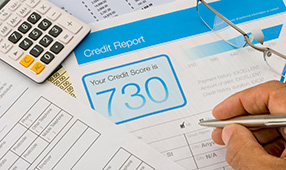
Your credit score is often a primary factor, as it indicates how you have managed debt in the past. Additionally, income and employment verification are standard to ensure there is a steady stream of revenue to cover the monthly payments. Lenders also calculate your debt-to-income (DTI) ratio, which compares your monthly debt obligations to your gross monthly income.
NEA programs are designed to be accessible. Because these programs understand the stability of employment in the education sector, they may offer supportive pathways for approval. To help improve eligibility before applying, you might consider paying down small credit card balances to lower your DTI ratio and ensuring there are no errors on your credit report.
Comparing personal loan rates and terms
Learning how to choose the best personal loan involves more than just looking at the monthly payment. It is helpful to evaluate the interest rates and the total cost of borrowing.
Interest rates are typically fixed or variable. Fixed rates remain the same for the life of the loan, which can help with a teacher’s budget planning. Variable rates may start lower but can change over time. It is also important to understand the annual percentage rate (APR). The APR represents the cost of the loan, including both the interest rate and certain fees.
The term of the loan also impacts your costs. A longer term will usually result in a lower monthly payment but will increase the total interest you pay over time. Conversely, a shorter term saves you money on interest but requires a higher monthly payment. Utilizing online tools and calculators provided by NEA Member Benefits can help you compare these offers.
Using personal loans for debt consolidation
For many educators, educator debt consolidation is a path they choose toward financial management. This strategy involves taking out a single personal loan to pay off multiple higher-interest debts. By doing this, you turn several due dates and varying interest rates into one monthly payment.
This approach is particularly helpful for debt consolidation for teachers who may be carrying balances on store cards or high-interest credit cards. Consolidation can:
- Reduce total interest: Moving a high-interest credit card balance to a personal loan with a lower rate reduces the amount of money spent on interest.
- Simplify monthly budgets: Having one payment due on the same day every month makes it easier to track spending.
- Impact credit scores: Paying off revolving credit card balances with a personal loan lowers your credit utilization ratio, which can positively impact your credit score.
NEA Personal Loans® support responsible repayment by providing a clear timeline for when the debt will be fully repaid.
Maintaining good credit while borrowing
Managing a personal loan correctly can be a positive step for your credit health. By reducing your credit card utilization, you improve one of the important factors in your credit score. Furthermore, establishing a consistent history of on-time payments on your loan builds a profile for future needs, such as a mortgage or auto loan.
However, it is important to be aware of behaviors that can affect your score. Late payments can quickly impact your credit. Overextending your borrowing capacity can also lead to financial strain. To help stay on track during repayment, you might consider treating your loan payment as a non-negotiable part of your monthly budget and setting up automated payments.
Smart borrowing tips for educators
To make the most of teacher loan benefits, keep these smart borrowing tips in mind:
- Borrow only what you need: You will pay interest on every dollar you borrow, so it is often best to stick to your specific financial goal.
- Build an emergency fund: While a personal loan can help in a crisis, having a separate savings account for emergencies is a goal that can help avoid the need for future credit.
- Review terms carefully: Before signing any agreement, read the details to ensure you understand the APR, the repayment timeline and any fees.
- Automate your finances: Set up automated payments from your checking account to help prevent late fees.
- Revisit your plan annually: Periodically look at your total debt and your financial goals to ensure you are still on track.
How to apply for an NEA Personal Loan®
The application process for an NEA-backed personal loan is designed to be straightforward and transparent.
First, you can often go through a prequalification step. This allows you to see potential rates and terms without a "hard" inquiry on your credit report. If you choose to move forward, you will need to provide documentation such as proof of income, identification, and details about the purpose of the loan.
The timeline for funding is typically efficient. Once your application is approved, funds are often deposited into your account within a few business days, allowing you to address your financial needs promptly.
Financial empowerment starts with the right support
Personal loans are financial tools that can be effective when used responsibly. Whether you are seeking to consolidate debt, manage an unexpected expense or financing a renovation, a borrowing strategy can support long-term stability.
NEA Member Benefits aims to help you achieve financial clarity. By offering a personal loan option with competitive rates and educator-focused terms, these programs empower you to take control of your financial life. We encourage you to explore the resources and lending options available to you through NEA Member Benefits.
Start your NEA Personal Loan® application today.